
Chirping That Won't Stop at Night
Cricket Pest Control in Denton & Roanoke, TX, for basements, garages, and crawl spaces where insects gather and breed
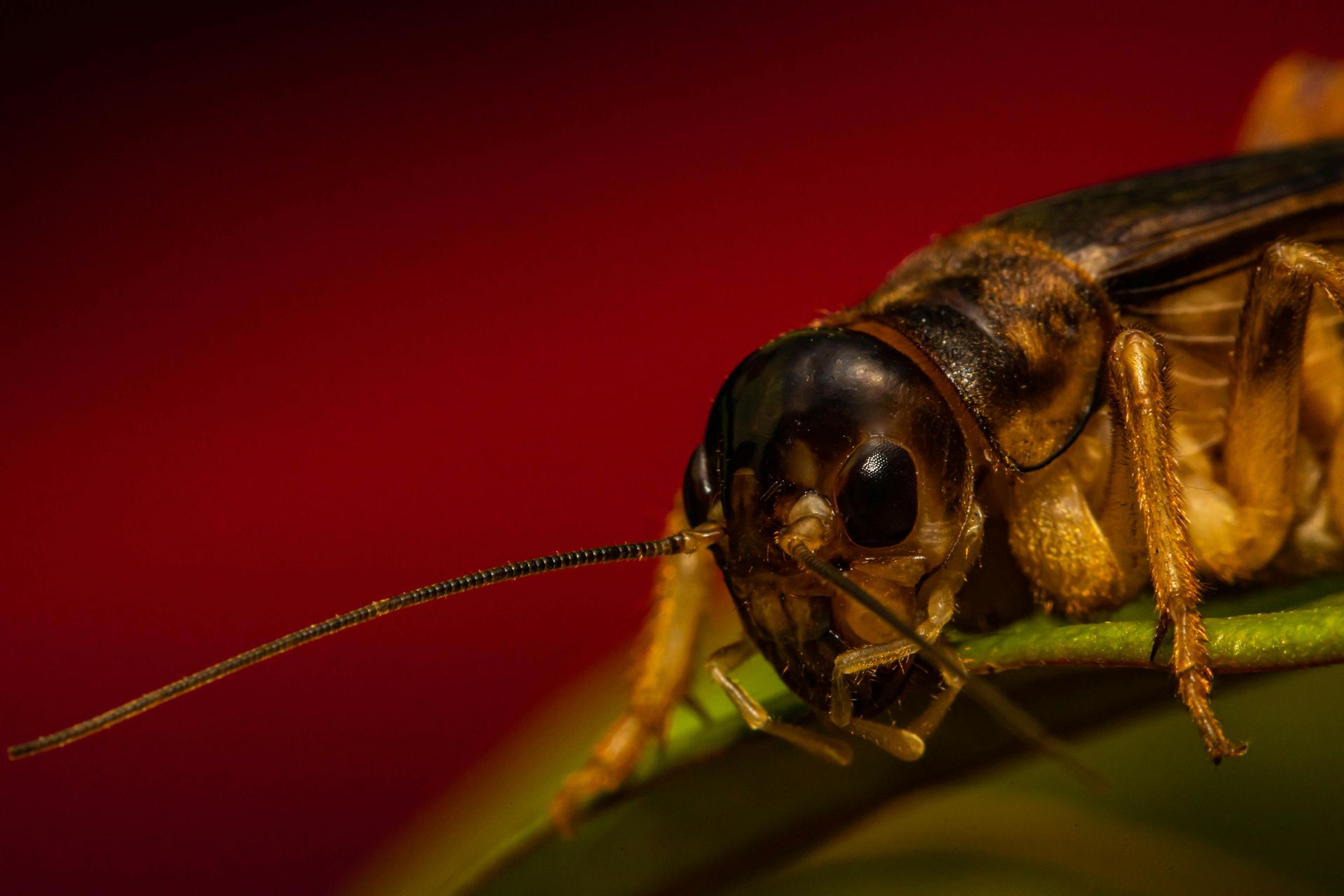
Crickets enter structures through foundation cracks, garage door gaps, and utility line penetrations, then congregate in dark, humid spaces where they feed on organic debris and reproduce rapidly. You hear continuous chirping from wall voids, notice chewed fabrics or paper goods in storage areas, and find droppings along baseboards where insects travel between hiding spots and food sources. Gold Standard Pest Control provides interior and exterior treatments that eliminate active infestations and prevent recurring problems through entry point sealing and targeted applications in Roanoke, TX.
The service identifies the specific entry routes crickets use to access your structure, then applies treatments in basements, garages, crawl spaces, and along foundation perimeters where insects shelter during daylight hours. Denton's warm climate allows crickets to remain active nearly year-round, and outdoor populations surge after irrigation or heavy rain when moisture drives insects toward structures.
Request a detailed assessment to locate entry points and active harborage areas inside your property.
Why Sealing Entry Points Prevents Recurrence
Crickets exploit gaps as narrow as one-eighth inch, moving through weep holes, utility penetrations, and the seams where concrete meets wood framing. Exclusion work addresses these access routes by sealing cracks with appropriate materials, installing door sweeps on garage entries, and screening vents that open into crawl spaces or attic areas.
Once treatments and exclusion measures are complete, the chirping stops, you no longer find insects in bathtubs or sinks where they become trapped overnight, and stored items remain undamaged by feeding activity. Long-term prevention strategies for Denton's conditions include managing outdoor lighting that attracts crickets and reducing moisture sources near foundations.
Commercial properties face additional challenges when crickets invade storage rooms, mechanical spaces, or customer-facing areas where insects create sanitation concerns and noise complaints. Treatment frequency depends on building construction, surrounding landscape moisture, and outdoor population pressure during peak breeding months.
Answers to Frequent Service Questions
Cricket behavior and entry patterns vary by structure type and seasonal conditions. Property owners in Denton and Roanoke, TX, typically want to understand treatment methods and how exclusion work complements extermination.
- What draws crickets into structures in the first place? Outdoor populations follow moisture gradients and seek shelter when temperatures drop overnight, moving toward foundation cracks, garage openings, and other protected areas where humidity remains higher than surrounding soil.
- How are treatments applied in difficult-to-reach spaces? Crawl space and basement applications use dust formulations that remain effective in humid conditions, while perimeter sprays create barriers along foundation lines and garage thresholds where crickets enter from landscaped areas.
- When should sealing happen relative to extermination? Entry point sealing follows initial treatments so insects inside the structure are eliminated first, then exclusion prevents new crickets from replacing the population you've just removed.
- What signs indicate a cricket problem before you hear chirping? Droppings that resemble coarse black pepper along baseboards, chewed holes in stored fabrics or cardboard, and sightings of insects near floor drains or utility room corners suggest an established population.
- How does Denton's climate affect cricket activity year-round? Extended warm periods allow multiple generations to develop without winter die-off, and irrigation practices in residential areas maintain moisture levels that support continuous breeding near foundations and landscaping.
Gold Standard Pest Control combines extermination with exclusion to address both current infestations and future entry risks. Schedule an inspection to evaluate your structure's vulnerable points and current cricket activity levels.