
Outdoor Spaces You Can't Use Comfortably
Mosquito Control & Yard Treatments in Denton & Roanoke, TX, for reducing populations around patios, play areas, and evening gathering spaces
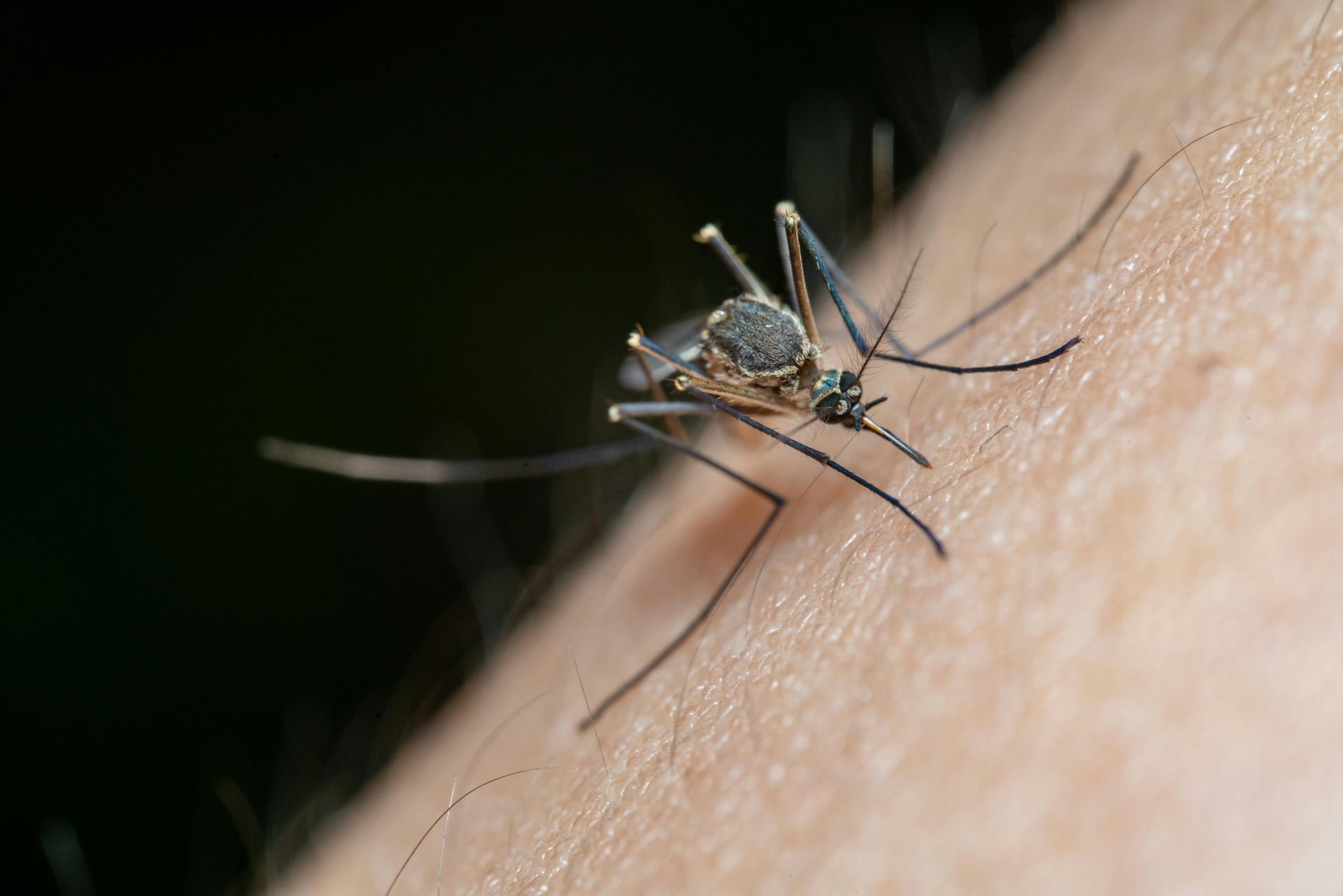
Standing water in clogged gutters, low spots in lawns, and decorative containers creates breeding sites where mosquito larvae develop in as few as seven days. Adult populations concentrate near shaded shrubs and ground cover during daylight, then emerge at dusk to feed on anyone using outdoor spaces. Yard fogging and barrier sprays reduce active mosquito numbers, while inspections identify the water sources that sustain breeding cycles through Denton's warm months.
Gold Standard Pest Control applies treatments to vegetation perimeters, fence lines, and shaded areas where mosquitoes rest between feeding periods. Barrier sprays adhere to foliage and hardscape surfaces, creating zones that repel or eliminate insects for several weeks depending on weather exposure and irrigation patterns.
Arrange an outdoor assessment to locate breeding sources and determine treatment coverage needs for your property in Roanoke, TX.
What Breeding Site Reduction Actually Accomplishes
Mosquitoes require stagnant water to complete their lifecycle, and females lay eggs on water surfaces or moist soil that later floods. Inspections identify bird baths, tire swings, potted plant saucers, and poorly draining landscape zones where water collects after rain or sprinkler cycles. Removing these sources interrupts reproduction before larvae mature into biting adults.
After treatment and source reduction, you'll notice fewer bites during evening hours, reduced mosquito presence near doorways and windows when exterior lights are on, and the ability to use patios and yards without constant swatting or retreat indoors. Seasonal programs maintain suppression through spring and summer when temperatures and humidity favor continuous breeding.
Commercial properties benefit from mosquito control when outdoor dining areas, event spaces, or facility grounds must remain comfortable for customers and employees. Treatment timing considers peak activity periods, scheduled outdoor events, and vegetation density that provides mosquito harborage between applications.
Common Questions About This Service
Mosquito control combines immediate population reduction with habitat modification to prevent reinfestation. These questions address treatment methods, effectiveness duration, and breeding site management.
- What is the difference between fogging and barrier treatments? Fogging delivers a fine mist that kills active adult mosquitoes in the air and on contact, while barrier sprays create residual protection on surfaces where mosquitoes land and rest throughout the day.
- How long does a yard treatment remain effective? Barrier applications on protected surfaces like covered patios and dense shrubs typically provide three to four weeks of suppression, while exposed lawn areas may require retreatment after heavy rainfall that dilutes residual chemicals.
- What standing water sources do inspections prioritize? Containers that hold water for more than a few days, clogged gutters with trapped debris, low drainage areas in turf, and ornamental ponds without circulation all support larval development and require correction or treatment.
- When is mosquito activity highest in Denton? Late afternoon through early evening sees peak biting behavior, especially in shaded or humid areas near vegetation where mosquitoes emerge from daytime resting sites to seek hosts.
- Why do mosquito populations return after treatment? New adults migrate from untreated areas, larvae develop in overlooked water sources, or residual barriers degrade after weather exposure, requiring ongoing prevention efforts to maintain suppression throughout the season.
Seasonal programs from Gold Standard Pest Control maintain outdoor comfort through scheduled applications and continuous monitoring of breeding conditions. Request a consultation to design a prevention plan suited to your property's specific challenges.